Known Routes
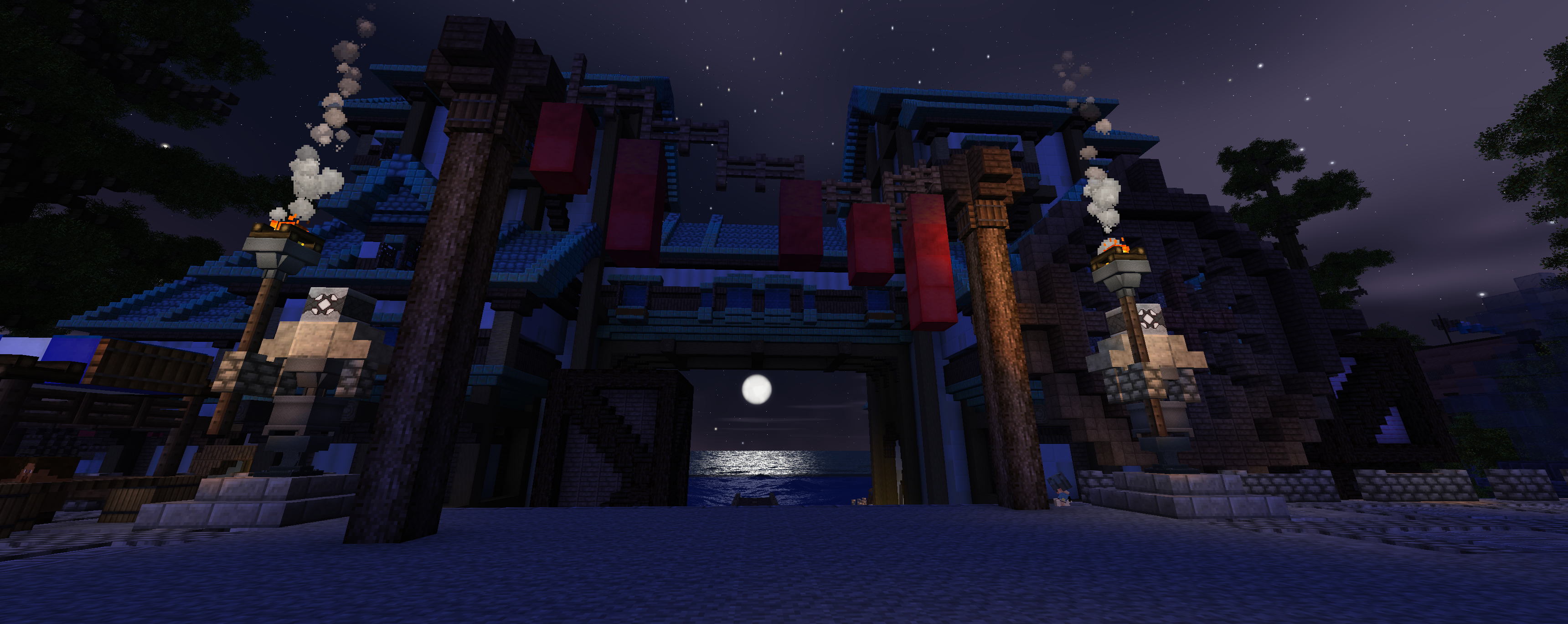
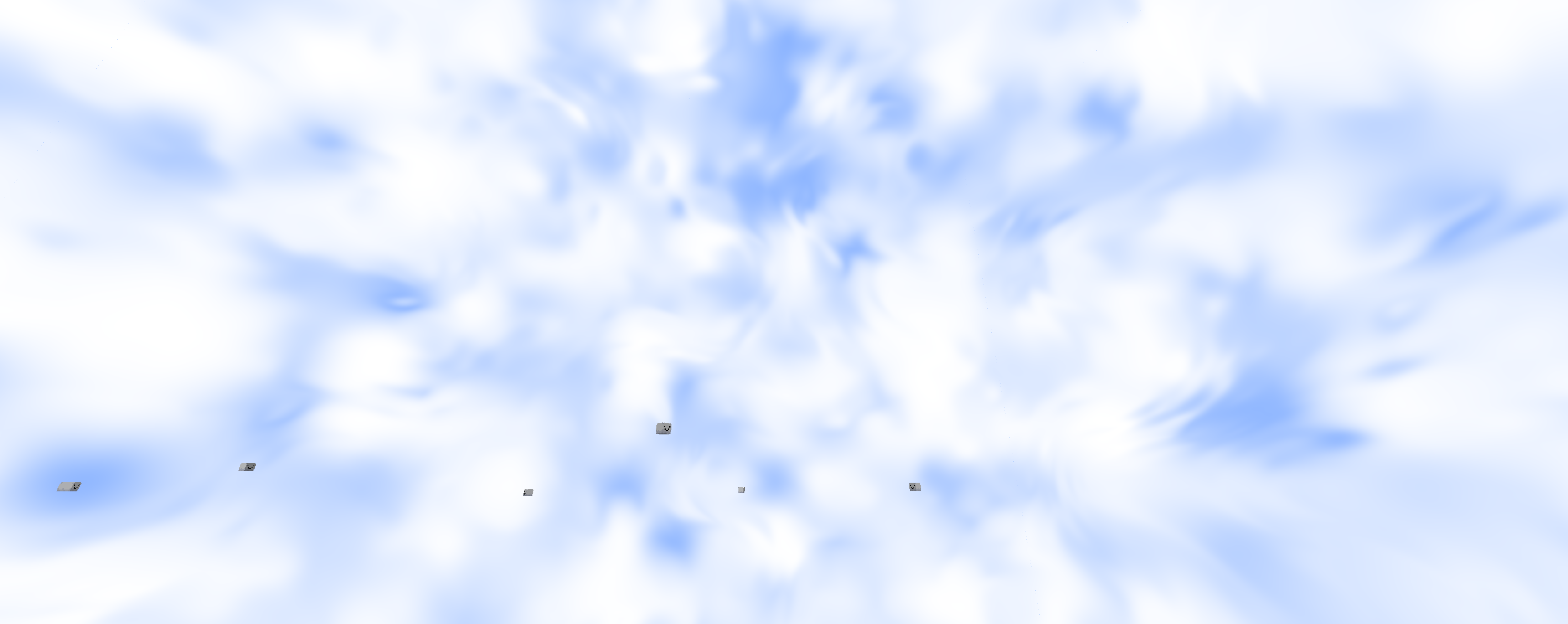
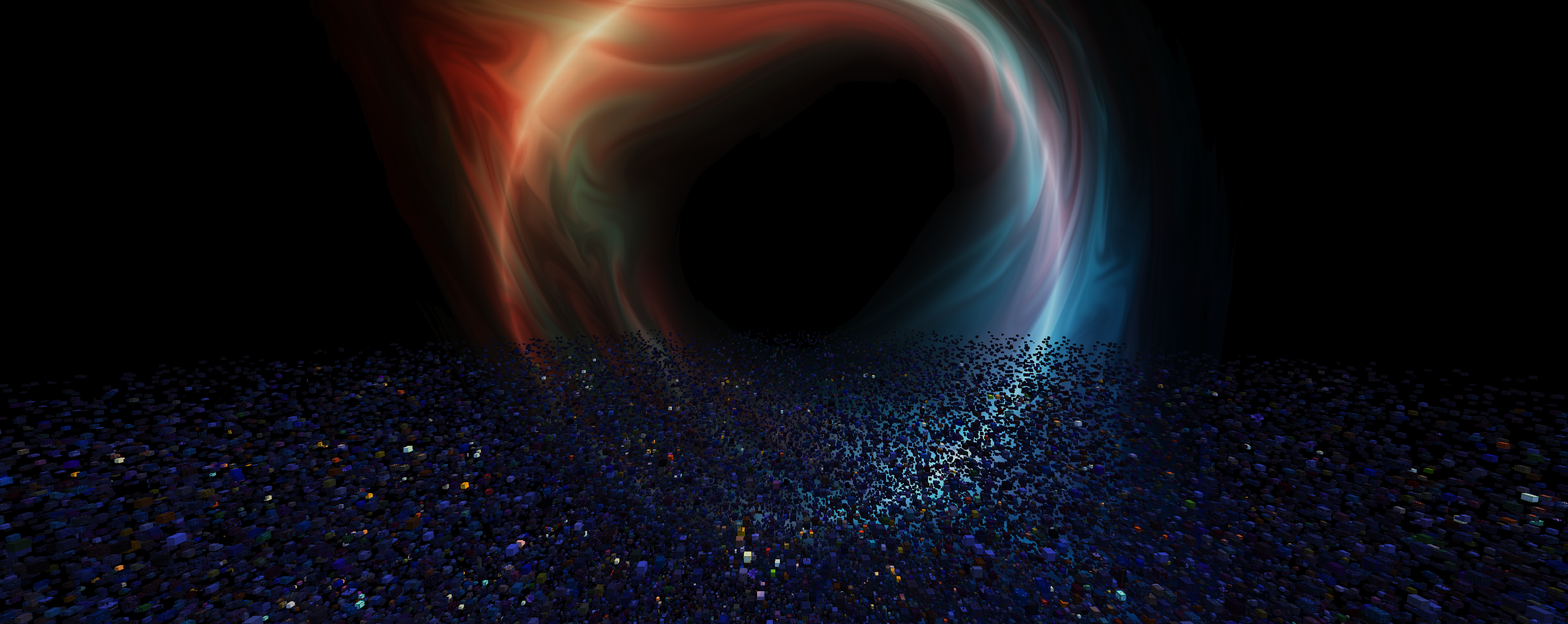
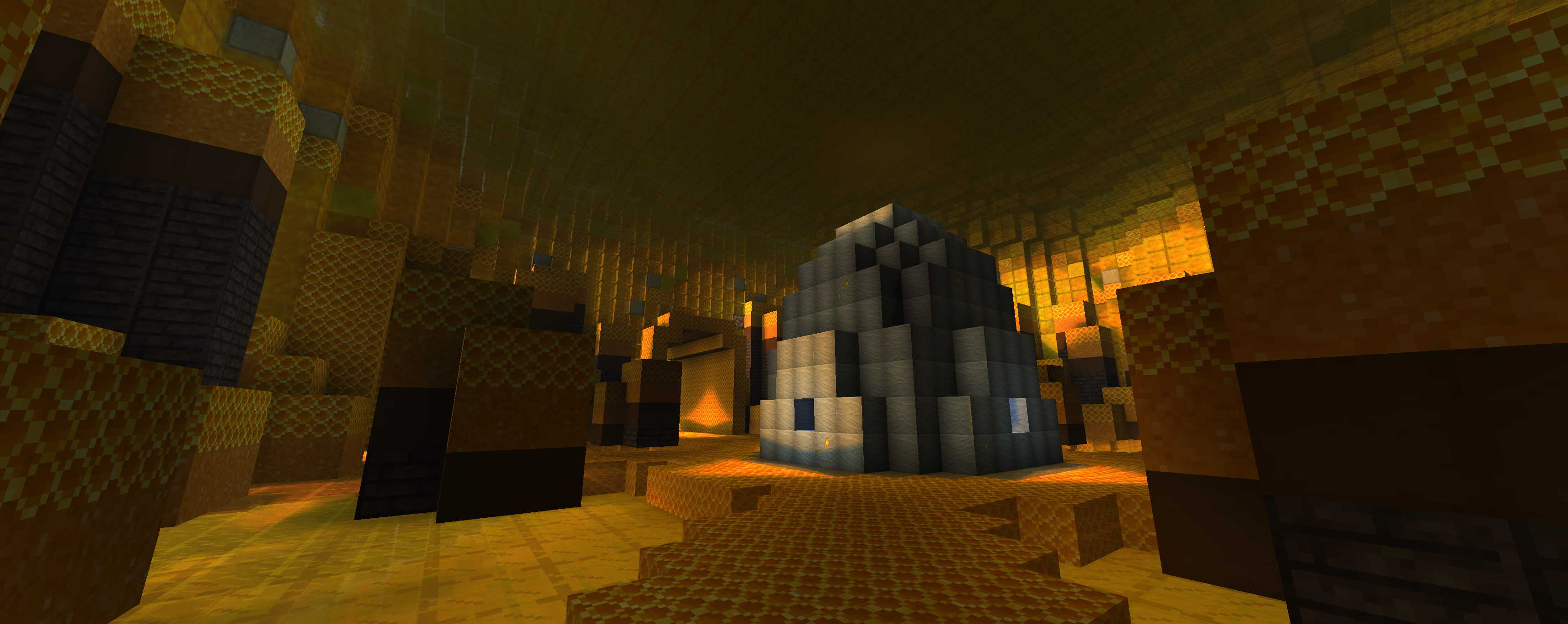
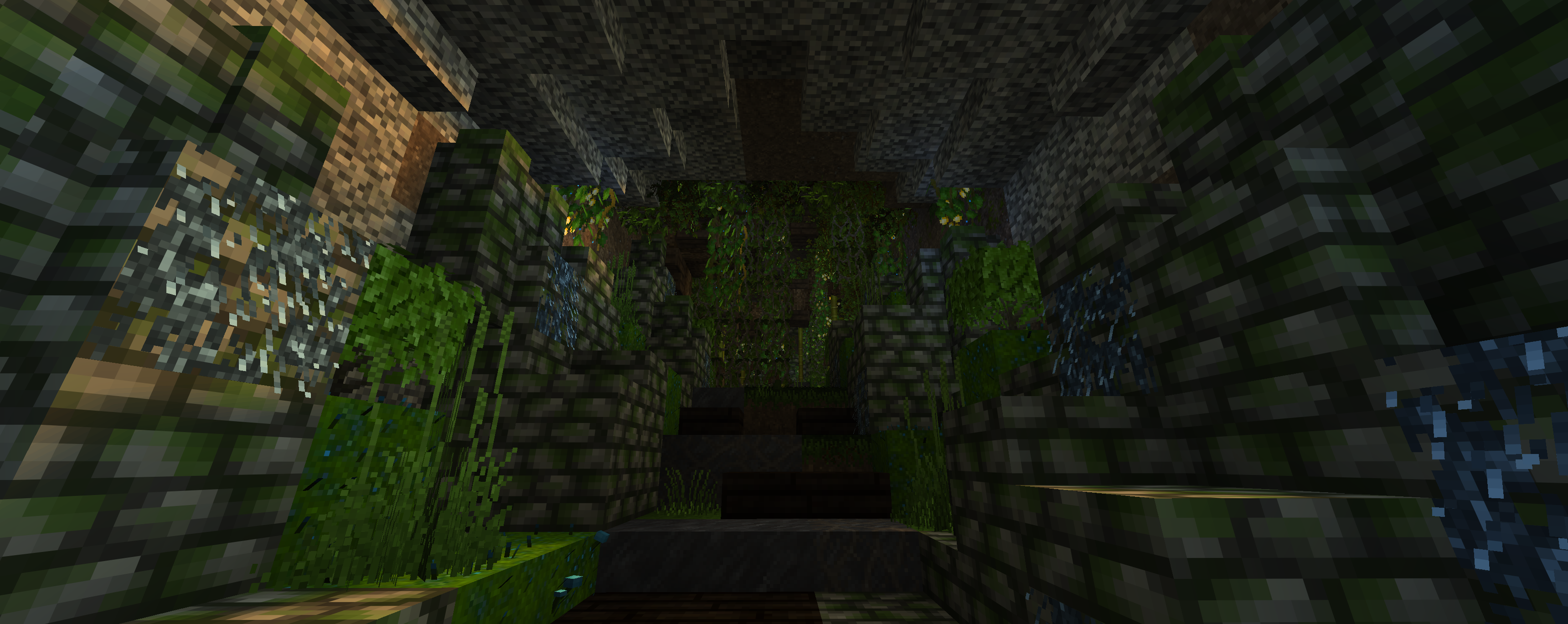
Current in-game dimensions we can show without spoiling sealed work.
Dimensional Atlas
Dimensions are tracked by how familiar they remain to our own reality, how far they sit from the Lumbridge origin coordinate, and what kind of profession runs they reward. Some are stable supply worlds, some are dungeon routes, and some are barely worlds at all.
Current in-game dimensions we can show without spoiling sealed work.
Familiar, neighboring, and twisted worlds define the main risk ladder.
World 404 marks the farthest confirmed coordinate Lumbridge can touch.
Lumbridge remains the home coordinate every other route is measured against.
Dimensional mages mark Lumbridge as origin `(0,0)`, climb outward with larger coordinate values, and use decimals for sibling routes near a known anchor. The further a route drifts, the shorter and stranger the trip tends to become.
Current research sorts worlds into familiar, neighboring, and twisted categories based on how much of their dimensional DNA still resembles home. Relative or sister dimensions are not a fourth type so much as the closest nearby branch of a known coordinate.
Exploration is part of life in Lumbridge, but distance matters: more extreme coordinates reduce how long travelers can remain outside the origin world before being pulled back.
Dimensional Mage ||REDACTED||
Familiar dimensions follow the same world DNA as Lumbridge or Earth-like routes and usually change history more than fundamental reality.
These are the safest places to gather recognizable materials and build consistent supply loops.
Neighboring dimensions loosely follow our patterns but introduce enough foreign matter, life, or magic that travelers must respect the route.
These are the classic expedition worlds: useful, strange, and risky without being fully alien.
Twisted dimensions stop following any clear pattern, and the further they sit from origin, the less reality behaves like something Lumbridge should trust.
They are valuable, but they are where expedition notes start sounding like warnings instead of maps.
Relative dimensions are not a fourth type so much as the nearest possible variation of a known coordinate, often marked with decimals.
Decimals show nearby sibling routes rather than entirely new anchor worlds.
Each entry shows what the dimension is like, how Lumbridge classifies it, which professions benefit most, and how expedition teams currently treat access to the route.
Also known as Home Dimension
(0,0) | Time broken / post-899 | Hometown
Lumbridge is the home world, an island-heavy dimension where time itself seems broken. Dimensional mages carved a safe rest space here by borrowing DNA from nearby resource worlds.
Use it as the hub for supply chains, card storage, and shorter profession loops before pushing deeper routes.
Also known as Earth Z
(60,60) | 202X | Dungeon
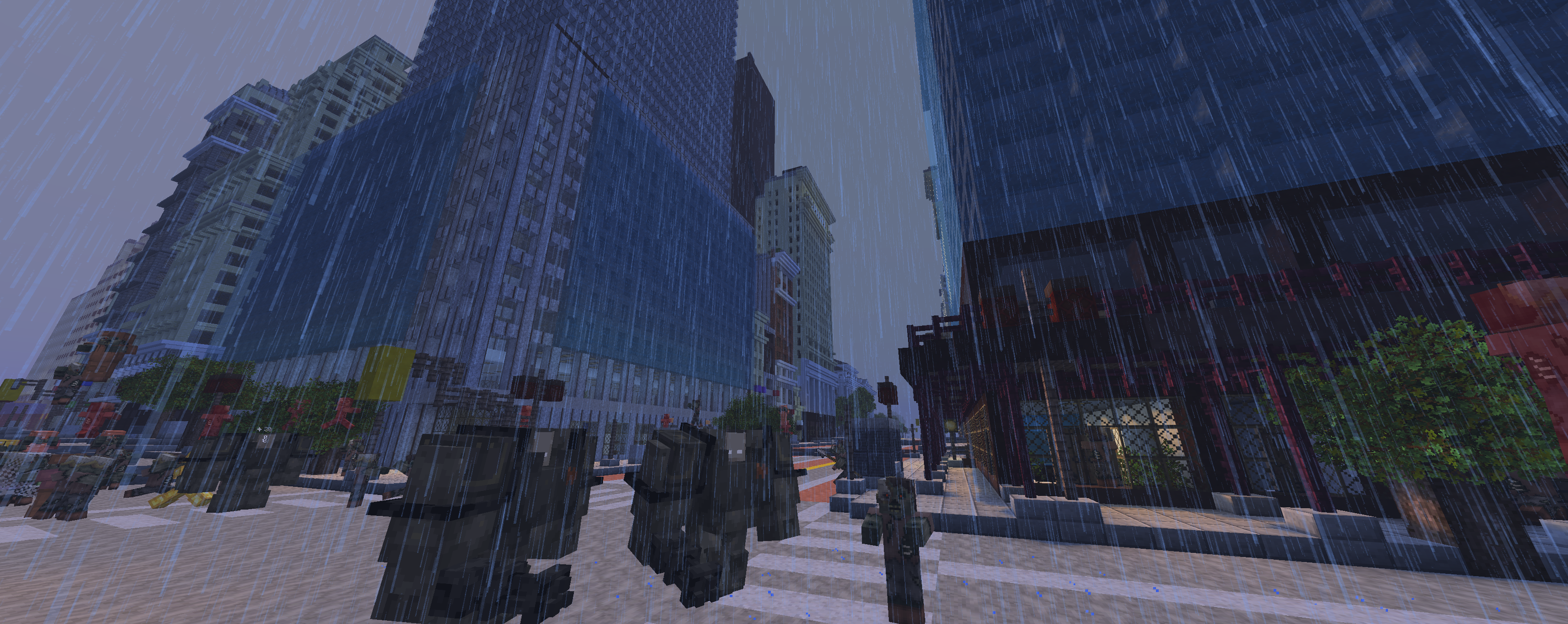
This neighboring Earth route is the current traveler intake assignment. Its humans last unusually long in foreign dimensions and treat Lumbridge like a game, which keeps the archive interested and cautious.
Best for relic-minded expeditions and unusual urban loot, not for open harvesting.
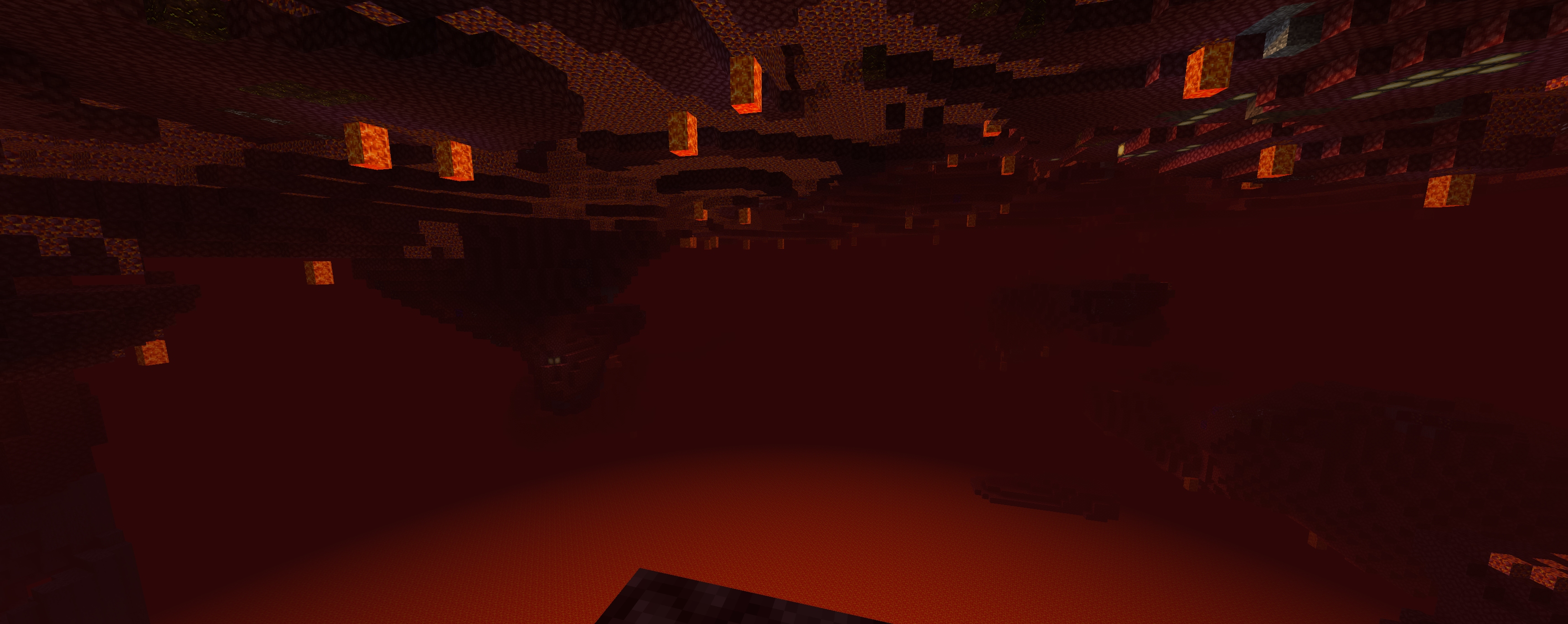
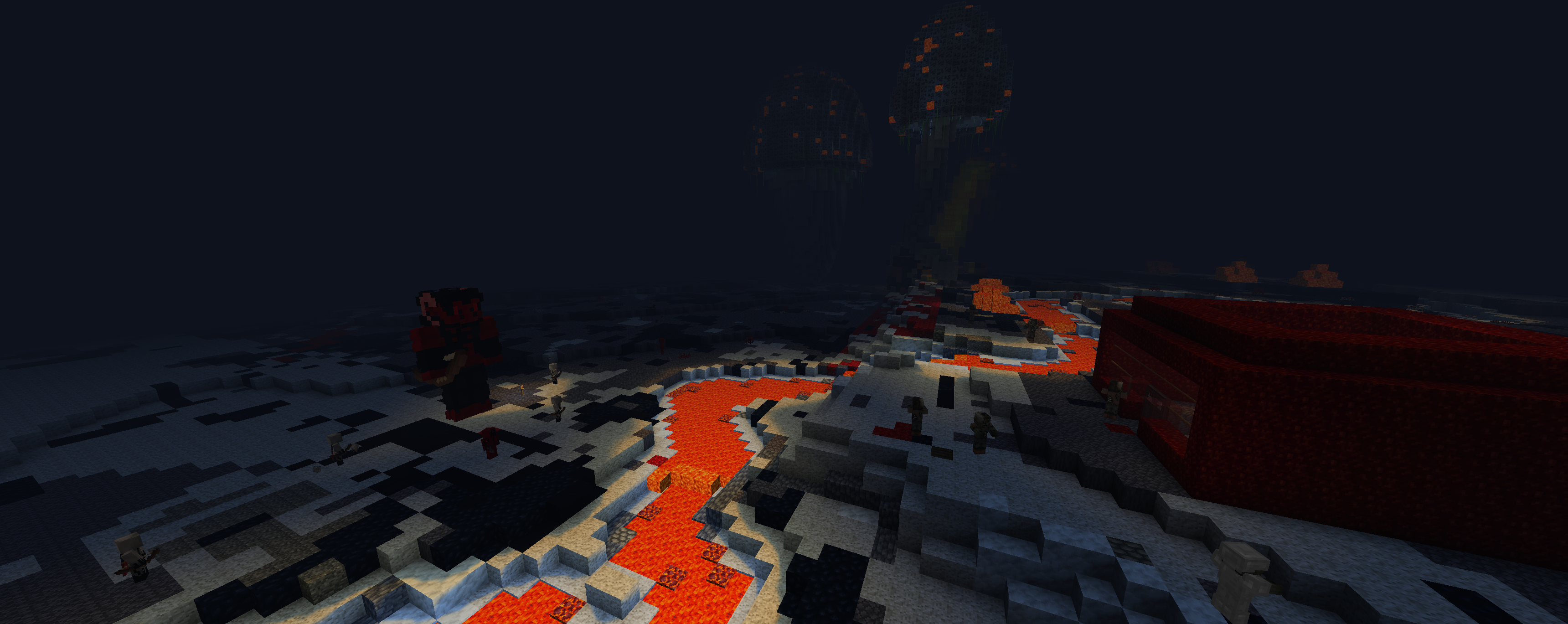
Also known as Nether
Dimension X | XXXX | Raid route
Hell is the first route known to break coordinate law entirely. It contains war-era creatures, rare cards from demons, and enough magical pressure to make every trip feel like a siege.
Bring forge-minded parties, move fast, and leave the moment the route stops feeling controllable.
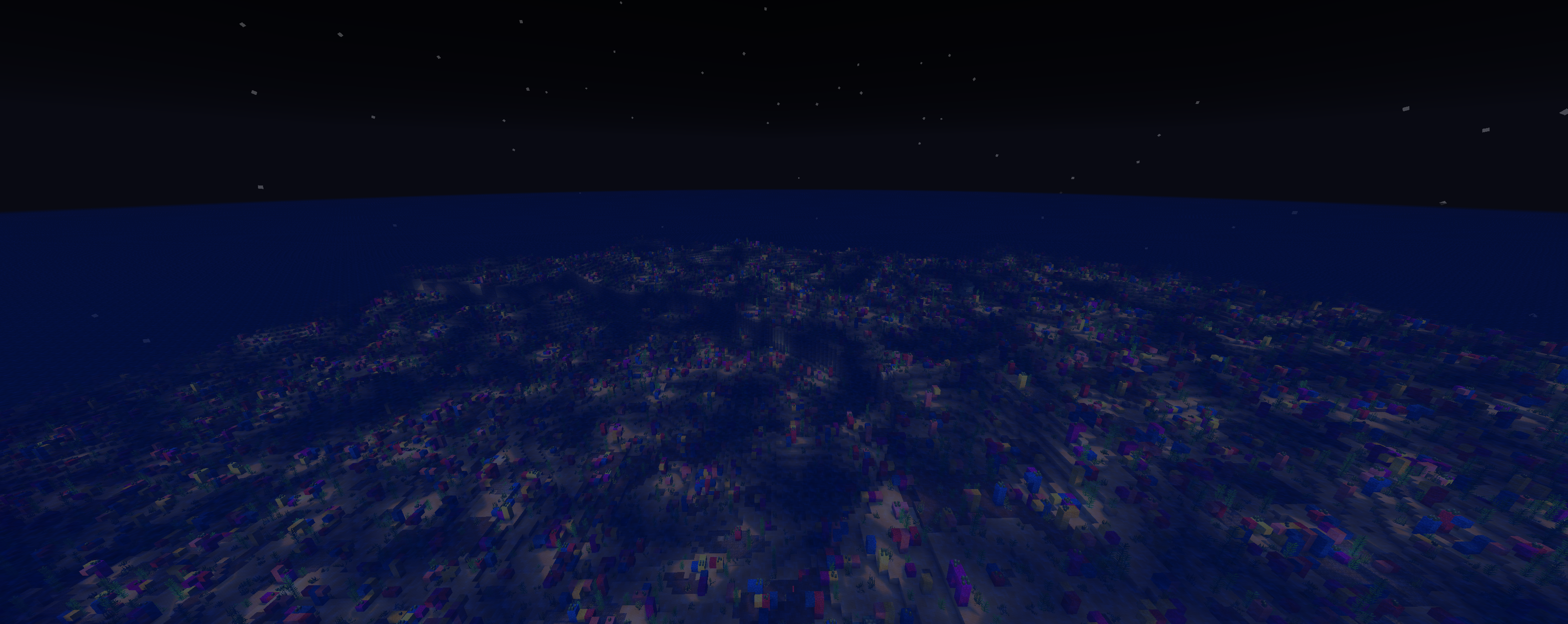
Also known as Saltwater Route
(2.6,0.3) | XXXX | Expedition
Sea is a shorter-range aquatic route used when Lumbridge wants marine materials without committing to a full Neptune-scale jump. The environment is stable enough for repeat runs and still strange enough to produce odd submerged drops.
A dependable choice for aquatic reagents, salvage, and fast fishing-centered supply trips.
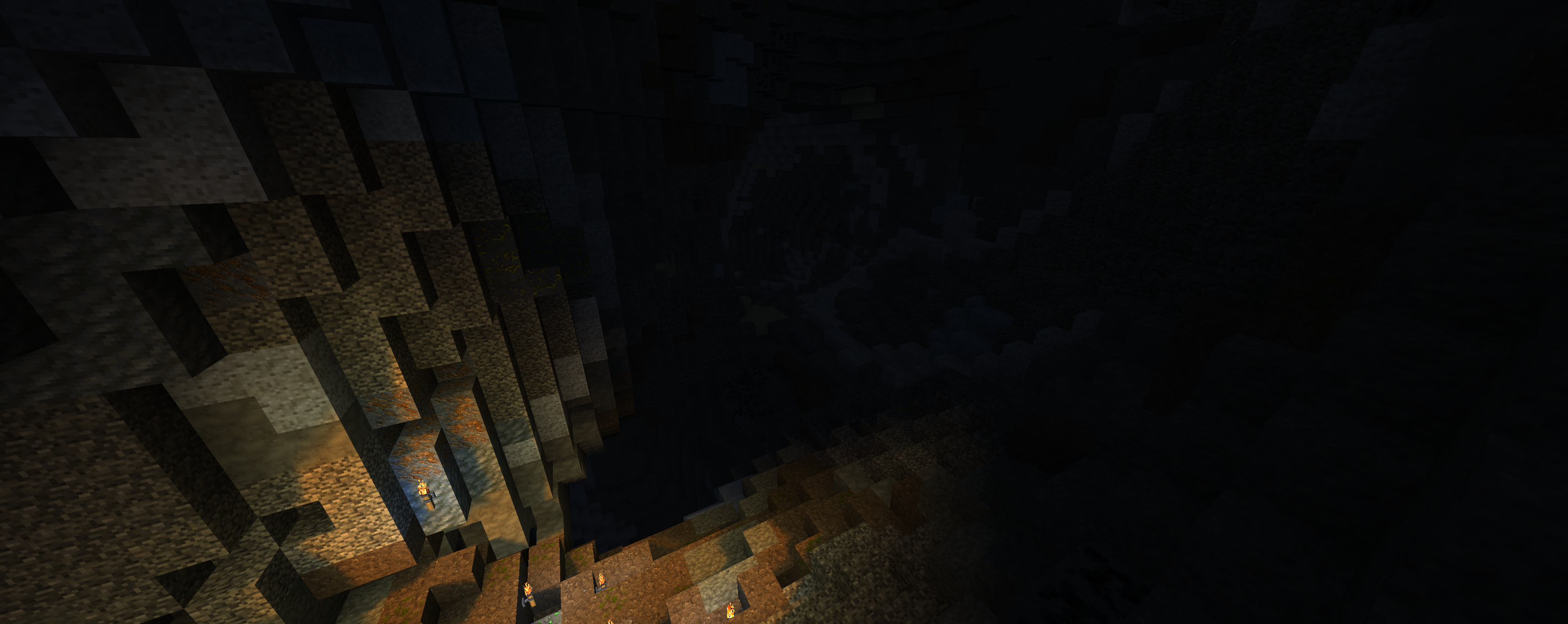
Also known as Subterranean Route
(6.3,2.1) | XXXX | Expedition
Tunnels is a compressed underground world of shafts, chambers, and shifting mining lanes. Its value comes from density: ore, hidden rooms, and buried caches packed into a fast-clear layout.
Best for mining value, hidden loot, and quick turnarounds before the route changes shape again.
Also known as Original Magika
(10,10) | 1599 | Restricted portal
The original Magika route is the version nobody returns from. It does not properly register as broken or nonexistent, which is why it remains one of the archive's most unsettling anomalies.
Narratively important, mechanically dangerous, and never a casual farm destination.
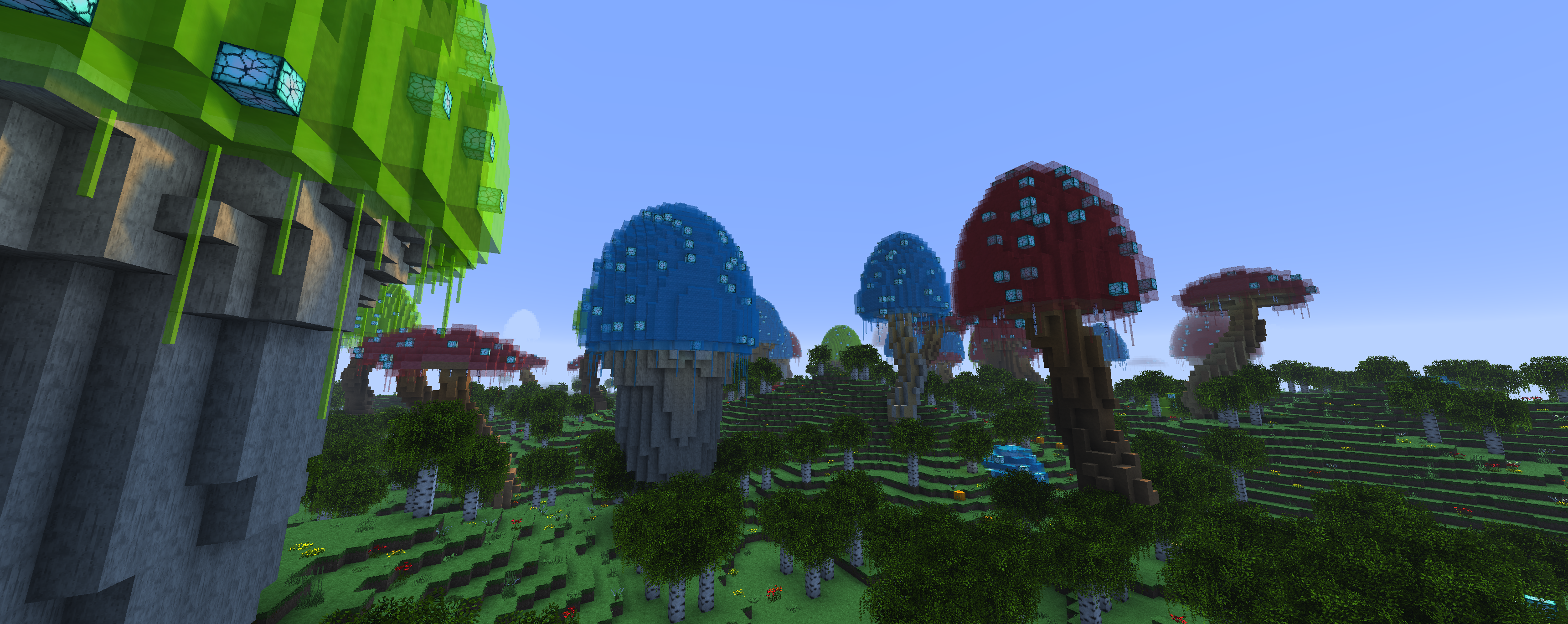
Also known as Mushie Worlds
(10.xxx,10.xxx) | 15XX | Portal expedition
Magika is one of the richest routes for magical card research. Mushroom folk, divine magic, and rotating sibling routes define the world, especially because the mushie line disappears after 1599.
A premium route for cards, enchanting materials, and arcane progression.
Also known as Giant Terra
(49,49) | XXXX | Dungeon
Giant Terra makes everything feel oversized, whether that means the world is enormous or the traveler is smaller. The resource yield is excellent, but the distance from Lumbridge keeps every trip short.
Open this route when you want bulk value fast and already have a party that can move with purpose.
Also known as 2D World
(3.xxx,0) | XXXX | Dungeon
This flattened world is made for practical supply runs: compact earth, simple ecosystems, and enough repeatable space to keep Lumbridge fed without turning every outing into a crisis.
Excellent whenever the economy needs reliable volume over exotic drops.
Also known as Upper Null
(99,99.1) | XXXX | Dungeon
Heaven is a world dimensional mages describe as empty and still somehow too full of implication. Beyond the thirtieth layers, worlds begin to warp past recognition, and Heaven feels like a realm Lumbridge cannot fully perceive.
Treat it as a research frontier first and a loot run second.
Also known as World 404
(99,99) | XXXX | Veteran expedition
World 404 is a broken void where matter, technology, and magic from other worlds seem to collect without a dependable pattern. It has no normal sibling line, no known dimensional end, and hostile emptiness built into the trip.
A late-game destination for travelers who want impossible loot and can survive impossible conditions.
Also known as Floral Earth
(1,1) | 899XX | Dungeon
The bee world is an Earth with no human civilization, just flowers, hives, and a wildly successful pollinator ecosystem. Its resource loops are so strong that dimensional cycling happens constantly to keep the harvest healthy.
One of the cleanest ingredient worlds for renewable gathering and cheerful high-volume runs.
Also known as Marsh Route
(4.4,1.7) | XXXX | Dungeon
The frog route is still being cataloged in full, but every field report agrees on the essentials: wet air, thick marsh growth, aggressive amphibian life, and valuable reagent ecology.
A great middle-ground route when you want fish, herbs, and dungeon flavor without crossing too deep into twisted territory.
Also known as Resource Neptune
(3.xxx,0) | XXXX | Dungeon
This Neptune route is one of Lumbridge's most dependable supply worlds, full of fresh water, sea creatures, and enough scale that sibling shifts are mostly about stewardship instead of survival.
If the pantry is low or alchemists are hungry for marine ingredients, this route does real work.
Also known as Skin Terra
(50,50) | XXXX | Dungeon
Skin Terra is where dimensional research stops sounding academic and starts sounding disgusted. Flesh-like ground, deeply wrong monsters, and hostile magic make it a route most travelers would rather read about than enter.
Only push here when the run itself is meant to be the challenge.